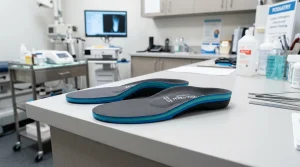
When it comes to managing diabetes, the right footwear can make a world of difference, especially for those dealing with neuropathy. Many people with diabetes experience foot pain and sensitivity that can lead to serious complications, making proper shoe selection crucial. Therapeutic shoes designed specifically for diabetics provide essential pain relief and protection, helping to prevent injuries and infections. By prioritizing comfort, fit, and support, these shoes can empower you to stay active and enjoy daily life without fear or discomfort. Join us as we explore the best options for diabetic footwear that not only meets your health needs but also aligns with your personal style and lifestyle. Discover how the right choice can transform your everyday experience and make each step a little lighter and more secure.
Choosing the Right Shoes for Diabetic Neuropathy
Choosing the right footwear is crucial for individuals with diabetic neuropathy, a condition that can significantly impair sensation in the feet and increase susceptibility to injury. Properly selected shoes can provide essential protection against foot complications, promote comfort, and enhance mobility. Individuals should look for features that prioritize foot health while seamlessly fitting into their daily lives.
When selecting shoes, consider the following key features:
- Wide Toe Box: It’s essential to choose shoes with a spacious toe box to prevent any crowding of the toes, which can lead to blisters or sores.
- Cushioned Insoles: Look for shoes that offer adequate cushioning to absorb shock, particularly during walking. This can help reduce pain and discomfort associated with neuropathy.
- Arch Support: Opt for footwear with good arch support to promote proper alignment and reduce strain on the feet.
- Adjustable Closures: Shoes that feature adjustable straps or laces allow for a customized fit, accommodating any swelling that may occur throughout the day.
- Breathable Materials: Shoes made from breathable fabrics can help in regulating temperature and moisture, which is vital for preventing fungal infections.
Additionally, consulting with a healthcare provider or a podiatrist can significantly aid in the selection process, ensuring that the chosen footwear aligns with individual foot care needs and medical recommendations. Engaging in this dialogue can provide insights into specific brands and styles tailored for diabetic individuals, equipping them with the knowledge required to make informed decisions about their foot health. Remember, investing time in choosing the right shoes not only enhances comfort and mobility but also plays a crucial role in preventing serious complications associated with diabetic neuropathy.
Understanding Diabetic Neuropathy and Its Impact
Diabetic neuropathy is a complication of diabetes that affects the nerves, most commonly in the legs and feet. Its impact is profound, as it can lead to pain, tingling, and loss of sensation, making even simple daily activities challenging. For many individuals living with this condition, the inability to feel pain can be deceptive; it can mask injuries such as cuts, blisters, or fungal infections, which may go unnoticed until they become serious problems. This lack of sensation, combined with poor circulation often associated with diabetes, increases the risk of foot ulcers and infections, potentially leading to severe complications including amputations.
Understanding the nuances of diabetic neuropathy is essential for effective management. Some individuals may experience sharp, burning pain, while others may find their feet feel numb or weak. The effects can hinder mobility and affect an individual’s quality of life. For instance, someone who cannot feel their feet properly may be at risk of falling due to unsteady gait. Regular foot examinations and awareness of foot health become critical components of care. Individuals with diabetes should perform daily foot checks, ensuring they address any changes promptly. Consulting a healthcare professional regularly will provide personalized advice on managing neuropathy and its related challenges, such as fitting shoes that cater specifically to their needs.
In addition to pain relief and protection, selecting appropriate footwear is a paramount aspect of managing diabetic neuropathy. Shoes should not only fit well but also provide sufficient protection from external injuries and internal pressure, which can exacerbate pain and discomfort. This can include considering specialized brands and styles designed specifically for diabetic patients, which may include features such as extra cushioning and adjustable closures to accommodate changes in foot size due to swelling. Families and caregivers should also encourage their loved ones to choose shoes that promote comfort and mobility, reinforcing the idea that thoughtful choices can meaningfully impact overall health and well-being.
Ultimately, the journey with diabetic neuropathy can be complex, but with informed decisions about foot care and consistent communication with healthcare providers, individuals can significantly improve their foot health and quality of life. By approaching this condition with an empowered mindset, individuals can navigate the complexities of diabetes with resilience and confidence.
Key Features to Look for in Shoes
Selecting the right footwear is crucial for anyone with diabetic neuropathy, as the wrong pair can lead to serious health implications. When searching for shoes, it’s important to look for features that prioritize comfort, safety, and functionality. The right shoes not only protect sensitive feet but also help to mitigate the painful symptoms associated with neuropathy, allowing individuals to remain active and engaged in daily life.
Essential Features
- Extra Cushioning: Shoes with adequate padding can absorb shock and provide support, reducing the impact on feet during movement. This is vital for those experiencing pain or discomfort.
- Wide Toe Box: A roomy toe area can prevent cramping and allow for natural movement. This is especially important as foot size can change with swelling.
- Adjustable Closures: Look for shoes that offer adjustable features like Velcro straps or laces. These allow for a customized fit, making it easier to accommodate changes in foot size throughout the day.
- Seamless Interior: Shoes that minimize seams can help prevent friction and irritation against sensitive skin. This reduces the risk of blisters and sores.
- Stability and Support: A firm heel and good arch support are essential to promote proper foot alignment, which can help prevent falls and improve overall stability.
- Lightweight Design: Shoes that are lighter in weight can help reduce strain on the feet and legs, making them easier to wear throughout the day.
- Breathability: Materials that allow for air circulation can help keep feet dry and comfortable, minimizing the risk of fungal infections.
By focusing on these key features, individuals living with diabetic neuropathy can make informed decisions about their footwear, enhancing comfort and protecting their feet. It’s essential to remember that while finding the right shoes is a significant step, regular consultations with healthcare professionals, such as podiatrists, can provide personalized recommendations tailored to individual needs. Remember, investing in the right pair of shoes not only protects your feet but also contributes to your overall well-being and quality of life.
Best Brands for Diabetic-Friendly Footwear
Choosing the right brand for diabetic-friendly footwear can make a significant difference in managing symptoms associated with diabetic neuropathy. Several brands specialize in designing shoes that offer both comfort and necessary support for individuals with diabetes. These brands go beyond mere aesthetics; they focus on features that enhance mobility, comfort, and foot protection.
One of the leading names in this arena is APEX Footwear. Known for its wide range of sizes and widths, APEX provides shoes that prioritize features like extra cushioning and arch support, specifically tailored to alleviate discomfort caused by neuropathy. Their collection includes dress shoes, sneakers, and outdoor options, ensuring that diabetic individuals can choose footwear that complements their lifestyle while maintaining foot health [[2]].
Another noteworthy brand is Diabetic Me, which curates sneakers specifically designed for those with diabetes. Their footwear is engineered with specialized cushioning and supportive insoles, making them suitable for individuals who are active or on their feet for extended periods. These shoes emphasize shock absorption to minimize foot strain during movement, which is essential for comfort and stability [[3]].
For a broad selection of diabetic footwear that combines style with functionality, Best Walking Feet is a go-to resource. They review multiple top-rated brands and provide insights into shoes that not only protect sensitive feet but also help in pain relief. This allows consumers to compare their options easily and make informed choices based on personal needs and lifestyle preferences [[1]].
When selecting footwear, it’s vital to seek brands that also offer customizable options, such as the ability to include orthotics, if needed. This flexibility helps address individual comfort needs and can significantly enhance the overall wearing experience. Remember, while finding the right shoes is essential for diabetes management, consulting with healthcare professionals about personal foot care is crucial for optimizing health and well-being.
Cushioning and Support: Why It Matters
When it comes to the comfort and health of individuals dealing with diabetic neuropathy, cushioning and support in footwear are not merely luxuries; they are essential components that can significantly influence mobility and overall foot well-being. Diabetic neuropathy often results in reduced sensation in the feet, making them more susceptible to injuries and discomfort. Therefore, choosing shoes that provide adequate cushioning becomes critical not just for pain relief but also for injury prevention.
High-quality cushioning helps to absorb shock, reducing the impact on the feet during walking or standing, which is particularly important for those experiencing nerve damage or foot issues related to diabetes. Shoes designed with advanced cushioning materials can lessen the strain on sensitive areas, allowing for a more comfortable experience throughout daily activities. Brands such as APEX Footwear and Orthofeet focus on these features, incorporating technologies that tailor the fit and feel of their shoes to meet the specific needs of diabetic individuals. Their focus on arch support and proper distribution of pressure plays a vital role in maintaining foot health and comfort over extended wear periods.
Supportive footwear also plays a critical role in maintaining stability. Shoes equipped with firm ankle support and proper structural integrity help prevent the feet from rolling, which can lead to falls or other injuries. In addition to cushioning, features like breathable materials and moisture-wicking linings are essential to keep feet dry and prevent fungal infections, which diabetics are prone to. Regularly consulting with healthcare professionals about shoe options can help you make informed choices that align with your specific health needs.
Incorporating additional support mechanisms, such as custom orthotics, can further enhance the effectiveness of diabetic footwear. While off-the-shelf solutions may work for some, custom orthotics are molded to fit the unique contours of an individual’s foot, providing individualized support and addressing specific pressure points. This combination of cushioning, support, and potential orthotic use ensures that diabetic individuals can engage in daily activities with confidence and reduced discomfort, ultimately leading to improved quality of life.
By prioritizing cushioning and support in footwear, individuals with diabetic neuropathy can navigate their daily lives more comfortably, mitigating foot-related challenges while enjoying greater mobility and independence.
Common Foot Problems Faced by Diabetics
Diabetes can lead to a range of foot problems, many of which stem from decreased blood flow and nerve damage, making it crucial for individuals with diabetes to be aware of the issues that can arise in their feet. Common problems include neuropathy, foot ulcers, calluses, and infections, which can significantly affect mobility and quality of life. Addressing these problems proactively can help prevent serious complications, including amputations.
One of the most prevalent issues faced by diabetics is diabetic neuropathy, which results in numbness or tingling in the feet, potentially leading to unrecognized injuries. This condition not only diminishes sensation but also increases the risk of wounds that can go unnoticed, allowing infections to develop. Regular foot examinations and proper shoe selection are essential in mitigating these risks.
Foot ulcers are another major concern, often arising from pressure points that do not heal properly due to compromised blood flow. When combined with poor healing abilities commonly associated with diabetes, even minor cuts can become significant wounds. Ulcers can often lead to infections, which may require medical intervention or even surgery if not treated timely. Wearing diabetic-friendly shoes that provide adequate cushioning and support can help reduce pressure on sensitive areas, significantly lowering the risk of ulcers.
Other Common Foot Problems
- Calluses and Corns: Increased pressure on specific areas of the feet can lead to the formation of calluses and corns. While these are not typically painful, they can become problematic if they develop to the point where they cause discomfort or become ulcerated.
- Infections: With reduced blood flow and the likelihood of unnoticed injuries, questions arise surrounding fungal infections and bacterial infections, such as cellulitis. Diabetics are at an increased risk for these infections, which can complicate foot care.
- Charcot Foot: This is a condition where the bones in the foot become weakened due to nerve damage and can lead to deformities. Such changes can lead to further complications if adequate and prompt care is not provided.
To mitigate these issues, it’s essential to incorporate regular foot care practices, including daily inspections, proper hygiene, and the use of moisture-wicking socks. Consulting a healthcare professional about shoe options and foot care routines can provide personalized advice tailored to individual needs. Remember, taking proactive steps allows for better management of foot health, keeping you mobile and active.
How to Properly Fit Diabetic Shoes
Finding the right fit for diabetic shoes is not just about comfort; it’s a vital aspect of maintaining foot health. Properly fitted shoes can help prevent complications associated with diabetic neuropathy, such as sores and ulcers. When shopping for diabetic footwear, consider having your feet measured regularly, as changes in foot size and shape can occur over time, especially due to diabetes-related swelling or nerve damage.
To ensure an optimal fit, start by examining both the length and width of your foot. Shoes should be at least a thumb’s width of space from the end of your longest toe to the front of the shoe. This is crucial as it minimizes the risk of friction and pressure that can lead to injuries. The width is equally important; shoes should feel snug but not tight, allowing for slight movement without pinching any part of your foot.
When trying on shoes, always wear the type of socks you plan to use regularly, ideally moisture-wicking ones to help manage perspiration. Walk around in the shoes for a few minutes to gauge comfort. Pay attention to any areas where the shoe might rub or press uncomfortably. If any discomfort arises, it’s best to try a different model or size. Remember, diabetic shoes often are designed with removable insoles to accommodate custom orthotics, which may provide additional cushioning and support.
Lastly, consult with a healthcare professional familiar with diabetic foot care to obtain personalized recommendations based on your specific needs. Their insights can help ensure that the shoes you choose not only fit well but also contribute to your overall foot health and comfort, helping you stay mobile and enjoy life to the fullest.
Socks That Help: Best Options for Comfort
Wearing the right socks is just as crucial as choosing the right shoes when it comes to managing diabetic neuropathy. The right pair can significantly enhance comfort, provide much-needed support, and protect your feet against potential injuries. Many people may not realize that standard socks can contribute to various foot issues, especially for those with diabetes, whose feet require extra care.
When selecting socks, look for options made from moisture-wicking materials that help keep your feet dry and reduce the risk of blisters and fungal infections. Cotton may feel comfortable but tends to hold moisture; hence, opt for synthetic blends or merino wool that offer better moisture management. Furthermore, avoid socks with seams or tight elastic bands, as these can create pressure points that may lead to discomfort or injury. Instead, choose seamless socks which reduce friction and irritation while offering a snug fit without constricting blood flow.
Another essential feature to consider is cushioning. Socks designed with extra padding in the heel and toe areas can provide added protection and comfort, especially if you spend long hours on your feet. Compression socks can also be beneficial, as they promote circulation, reduce swelling, and ease fatigue, ensuring your feet feel better throughout the day.
Lastly, it’s always wise to consult with a healthcare professional regarding specific sock recommendations tailored to your individual needs. Investing in high-quality diabetic-friendly socks can greatly improve your overall foot health and comfort, allowing you to enjoy a more active lifestyle while effectively managing diabetes.
Custom Orthotics vs. Off-the-Shelf Solutions
When managing diabetic neuropathy, one of the key decisions for improved foot health involves whether to use custom orthotics or off-the-shelf solutions. Understanding the differences can empower you to make the right choice for your specific needs, ensuring comfort and support while navigating daily activities.
Custom orthotics are uniquely tailored inserts made after a thorough assessment by a healthcare professional. They are designed to address specific foot mechanics, providing individualized support that can alleviate pressure on sensitive areas, improve alignment, and enhance overall comfort. This personalized approach is particularly beneficial for those experiencing significant neuropathy-related symptoms, as it can mitigate pain and prevent further complications. Individuals with unique foot shapes or chronic conditions may find custom orthotics essential for their everyday footwear.
On the other hand, off-the-shelf solutions, such as over-the-counter orthotic insoles, are generally more accessible and affordable. While they lack the tailored aspect of custom options, many can still provide notable benefits, such as additional cushioning and arch support. These can be a practical choice for those who may not need the specialized support of custom orthotics or for those seeking a temporary solution. Trying a few different off-the-shelf options can help individuals discover a level of comfort that suits their needs without a significant financial commitment.
Ultimately, the choice between custom orthotics and off-the-shelf solutions should align with your specific symptoms, budget, and lifestyle. Consulting with a podiatrist or a healthcare professional can guide this decision, ensuring optimal foot care while managing diabetes effectively. Making informed choices about footwear and insoles can significantly improve your quality of life and keep your feet healthy, supporting an active and fulfilling lifestyle.
Lifestyle Tips for Diabetic Foot Care
Effective foot care is paramount for individuals managing diabetes, particularly those grappling with diabetic neuropathy. By adopting simple yet impactful lifestyle habits, you can significantly reduce the risk of foot complications and enhance your overall quality of life. Keep in mind that consistent care can shield your feet from injuries that may go unnoticed due to neuropathy.
One of the first steps in proactive foot care is to conduct daily foot inspections. Make it a habit to check your feet each day for cuts, blisters, or any signs of swelling. Consider using a mirror to examine the bottoms of your feet or enlist the help of a family member. Catching issues early can prevent them from escalating into more serious problems. If you notice anything unusual, don’t hesitate to consult your healthcare provider for guidance.
Maintaining proper hygiene is also essential. You should wash your feet daily with mild soap and warm water, ensuring to dry them thoroughly, especially between the toes. This practice helps prevent infections, which can be more challenging to treat in diabetic patients. Additionally, keep your toenails trimmed straight across to avoid ingrown nails and discomfort.
Another integral component of diabetic foot care is wearing the right footwear. Invest in well-fitting, diabetic-friendly shoes designed to provide cushioning and support. Look for shoes made from breathable materials that can accommodate any foot deformities, such as bunions or hammertoes. Setting aside shoes that pinch or cause discomfort is crucial, as they can lead to blisters or calluses that might go unnoticed due to reduced sensation.
Finally, consider incorporating nutrition and hydration into your foot care routine. A balanced diet and ample water intake can promote better blood circulation, which plays a vital role in healing and overall foot health. While managing your diabetes may present daily challenges, remember that small, intentional steps make a significant difference. By prioritizing foot care, you can enjoy a more active lifestyle with greater peace of mind. Always consult your healthcare team for personalized advice tailored to your specific needs.
Protective Footwear for Outdoor Activities
Taking care of your feet while engaging in outdoor activities is essential for individuals with diabetic neuropathy, as it significantly reduces the risk of injuries that can go unnoticed due to reduced sensation. When participating in outdoor activities, the right footwear can provide both protection and comfort, ensuring that you can enjoy your time outside without unnecessary worry.
Selecting shoes that are specifically designed for outdoor use can make a world of difference. Look for footwear that offers a combination of stability and cushioning to support your feet on uneven terrain. Breathable materials are vital, as they help regulate temperature and moisture, preventing fungal infections and keeping your feet dry. Additionally, shoes with reinforced toe boxes and cushioned insoles can shield your feet from potential hazards such as sharp rocks or twigs.
Key Features of Protective Outdoor Footwear
When choosing , consider these important features:
- Shock Absorption: Shoes with good shock-absorbing soles can help mitigate impact and reduce stress on your feet, which is particularly beneficial during walking or hiking.
- Non-Slip Soles: Ensuring that your shoes have non-slip soles is crucial for maintaining balance and preventing slips and falls, especially on wet or rocky surfaces.
- Adjustable Closures: Opt for shoes with adjustable straps or laces to achieve a snug fit, which can prevent blisters and provide better overall support.
- Lightweight Design: A lightweight shoe can help reduce fatigue during longer outings, making your activities more enjoyable.
Real-World Examples
Many brands specialize in diabetic-friendly footwear that addresses the unique needs of individuals with neuropathy. For instance, there are hiking shoes with ample cushioning and breathable fabrics designed specifically for outdoor conditions. These footwear options not only provide comfort but also ensure that you can navigate trails safely and confidently.
Always consult with your healthcare professional before choosing new footwear, especially for outdoor activities. They can offer personalized advice based on your specific health needs, ensuring you make choices that best support your foot health and overall well-being. Remember, appropriate footwear is a critical component of managing diabetes, allowing you to embrace an active lifestyle while protecting your feet.
When to Consult a Podiatrist for Foot Issues
Foot health is crucial for individuals with diabetes, especially those experiencing neuropathy. The loss of sensation in the feet can lead to unnoticed injuries or infections, making regular check-ups with a podiatrist essential for preventative care and treatment. Understanding when to seek help can significantly benefit foot health and overall diabetes management.
If you notice redness, swelling, or any unusual changes in your feet, it’s a signal to consult a podiatrist. These symptoms could indicate a developing infection or other serious conditions. Additionally, any persistent pain, tingling, or numbness-common issues for those with neuropathy-should prompt a visit. Delaying treatment for these symptoms may result in complications that could affect mobility and quality of life.
Routine foot examinations should also be part of your diabetes management plan. Even if you do not have noticeable issues, yearly visits to a podiatrist can help catch potential problems early. These professionals can assess your foot biomechanics, recommend suitable footwear, and provide treatment options tailored to your needs. For those with foot deformities or previous foot ulcers, more frequent visits might be necessary.
Don’t hesitate to reach out for help if you’re uncertain about a foot condition or need guidance on proper footwear. Podiatrists can recommend diabetic-friendly shoes that provide the necessary support and protection, addressing any specific concerns related to your neuropathy. Remember, proactive foot care is not just about treatment; it’s about maintaining your mobility and protecting your overall health as you manage diabetes.
Frequently asked questions
Q: What are the best shoes for diabetics with neuropathy?
A: The best shoes for diabetics with neuropathy prioritize comfort, support, and cushioning. Look for brands specializing in diabetic footwear, featuring a wide toe box and soft materials that reduce friction. Brands like New Balance and Propet offer excellent options designed for pain relief and protection.
Q: How do shoes help manage diabetic neuropathy symptoms?
A: Proper shoes alleviate diabetic neuropathy symptoms by providing adequate cushioning, support, and protection. They reduce pressure on sensitive areas of the feet, preventing blisters and ulcers, thus contributing to overall foot health and comfort.
Q: Why are custom orthotics recommended for diabetic neuropathy?
A: Custom orthotics are often recommended because they provide tailored support, enhance alignment, and distribute weight evenly across the foot. This personalized approach can significantly alleviate discomfort and prevent foot injuries in diabetics experiencing neuropathy.
Q: How can I ensure my diabetic shoes fit properly?
A: To ensure proper fit, measure your feet regularly and wear the type of socks you intend to use. There should be sufficient room in the toe area, and the heel should fit snugly without slipping. Refer to the section on fitting diabetic shoes for more detailed guidance.
Q: When should I replace my diabetic shoes?
A: Replace your diabetic shoes every 6-12 months, or sooner if you notice visible wear or a decrease in support and cushioning. Regularly examining shoes for signs of damage is essential for maintaining foot health.
Q: Are there specific features to look for in socks for diabetic neuropathy?
A: Yes, seek out socks that are non-binding, moisture-wicking, and padded. Seamless designs help avoid friction, and materials like bamboo or synthetic fibers can offer both comfort and breathability. This complements the benefits of proper footwear as highlighted in the article.
Q: Can wearing the wrong shoes worsen neuropathy symptoms?
A: Yes, wearing improper shoes can exacerbate neuropathy symptoms by causing additional pain, pressure, and risk of injury. Shoes that pinch or lack cushioning can lead to blisters or ulcers, so it’s vital to choose footwear designed for diabetic needs.
Q: What lifestyle changes can help with diabetic foot care?
A: Alongside wearing the right shoes, maintaining blood sugar levels, practicing good foot hygiene, and scheduling regular foot exams are crucial lifestyle changes. These practices, detailed in the lifestyle tips section, can significantly improve overall foot health and comfort.
In Conclusion
When navigating the challenges of neuropathy as a diabetic, choosing the right footwear is essential for comfort, pain relief, and protection. With our guide to the best shoes for diabetics with neuropathy, you can find options specially designed to offer the support and cushioning your feet need. Don’t wait-invest in your foot health today to help maintain your active lifestyle!
For further support, check out our resources on daily diabetes management and explore more on diabetic-friendly products that promote overall well-being. Join our newsletter for updates on expert tips and new product releases tailored for your needs. Your journey towards healthier feet can begin now; every step counts!
If you have additional questions or need personalized recommendations, feel free to reach out. Share your experience with us in the comments below, and let’s keep the conversation going! Together, we can empower each other towards better diabetes management.
Get our latest guides, news, and insights highlighted in your Google Search & AI Overviews.