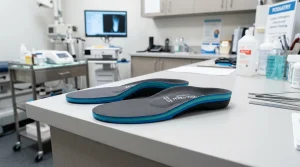
Did you know that diabetic neuropathy affects nearly 50% of individuals with diabetes? This common condition can lead to discomfort and pain, making it crucial to find effective solutions for relief. One often-overlooked aid is the right insole, which can alleviate pressure and provide necessary support for sensitive feet. The best insoles for diabetic neuropathy do more than just enhance comfort-they can significantly improve your daily mobility and quality of life. In this guide, we’ll explore the top insole options that cater specifically to the needs of those managing diabetic neuropathy. Join us as we uncover practical strategies to enhance your foot health, giving you the confidence to step forward with ease and comfort.
Best Features of Insoles for Diabetic Neuropathy
Insoles designed specifically for diabetic neuropathy are essential tools for managing foot health and minimizing discomfort. One of the most significant features is their ability to provide adequate cushioning. This is crucial for diabetics, as they often experience decreased sensation in their feet, which can lead to injuries if adequate protection is not provided. Soft, shock-absorbing materials help mitigate impact and reduce strain on sensitive areas, ultimately enhancing comfort during daily activities.
Another vital feature is arch support. Proper arch support is fundamental in distributing body weight evenly across the foot, which helps prevent localized pressure points that can exacerbate discomfort in diabetics. Research has shown that maintaining the natural alignment of the foot can reduce the risk of foot ulcers and injuries, making insoles with adequate arch support a worthy investment for those afflicted with diabetic neuropathy.
Moisture-wicking capabilities also play a significant role in the functionality of diabetic insoles. Given the susceptibility of diabetic individuals to foot infections, insoles that draw moisture away from the feet can help maintain a dry environment, reducing the likelihood of fungal and bacterial growth. This feature also ensures comfort throughout the day, as dampness can lead to irritation and blisters.
Additionally, customizable options offer tailored solutions for individuals with unique foot shapes and needs. Custom-fit insoles can address specific pressure points and alignments, enhancing overall foot comfort. Whether chosen as custom-made or high-quality over-the-counter options, the best insoles for diabetic neuropathy should prioritize support, cushioning, moisture management, and customization to help manage the everyday challenges associated with this condition.
Understanding Diabetic Neuropathy Symptoms

Diabetic neuropathy can present a complex array of symptoms, leaving many affected individuals wondering what to expect as their condition evolves. One notable statistic is that about 60-70% of people with diabetes have some form of neuropathy, with symptoms ranging widely in severity and type. Typically, diabetic neuropathy begins with a tingling sensation or mild numbness in the feet, often affecting the toes first. If left unmonitored, these symptoms can progress to more severe pain and loss of sensation, making everyday activities more challenging and increasing the risk of foot injuries.
As the condition advances, individuals may experience reduced ability to sense temperature changes, making it difficult to detect external injuries like cuts or blisters that can lead to more serious complications. Often described as a burning or shooting pain, this discomfort can interfere with sleep and daily life. Additionally, muscle weakness may occur, affecting mobility and balance, which further complicates walking and could lead to falls.
Recognizing Symptoms Early
Awareness of the symptoms is crucial for effective management. Regularly monitoring your feet and paying attention to any changes can help mitigate complications. Key symptoms to look out for include:
- Tingling or “pins and needles” sensation: Often one of the first signs, this can be felt in the feet and may extend to the legs.
- Numbness: A decreased ability to feel sensations, which may lead to overlooked injuries.
- Burning or sharp pain: These sensations can vary in intensity and may happen sporadically or constantly.
- Muscle weakness: Struggling with movements and maintaining balance.
- Changes in toenail and skin appearance: Noticeable changes can signify poor blood flow and require immediate attention.
Seeking guidance from healthcare professionals is essential if you notice these symptoms. Regular check-ups and consultations can ensure that any progression of the condition is monitored, and appropriate treatment measures are implemented. Lifestyle changes, including a balanced diet, regular exercise, and proper foot care practices, can significantly impact managing diabetic neuropathy. Each small step toward awareness and proactive care can empower you or your loved ones along this journey, helping to maintain quality of life and prevent complications.
How Insoles Provide Pain Relief for Diabetic Feet

Insoles specifically designed for diabetic feet can be a game-changer in managing pain and improving overall foot comfort. Many individuals with diabetic neuropathy experience chronic pain and discomfort, which can significantly affect their daily activities. Therapeutic insoles provide crucial support by redistributing pressure across the foot, reducing the likelihood of developing pressure sores, blisters, or calluses, all of which can lead to serious complications if not addressed.
These insoles often incorporate features that enhance comfort and support for sensitive feet. For instance, cushion layers made of soft materials help absorb impact while walking, thereby minimizing jolts that could exacerbate pain. A common design includes arch support, which not only maintains foot alignment but also promotes better posture and distributes body weight evenly. This is vital for individuals who struggle with muscle weakness and balance, as proper alignment helps reduce strain on odd points of the foot.
Another significant benefit of therapeutic insoles is their ability to provide thermal comfort. Some models are designed with moisture-wicking materials that keep feet dry and cool. This is particularly beneficial for diabetics, as maintaining foot hygiene can prevent infections, especially for those with reduced sensation. Moreover, insoles with a contoured shape can further protect the foot from various irritations during movement, empowering individuals to remain active and engaged in their daily lives.
When selecting insoles, it is essential to consider individual needs and the specific features that can alleviate pain associated with diabetic neuropathy. Consulting a healthcare professional can ensure that the chosen insoles meet specific health requirements and are effective in enhancing mobility and comfort, ultimately contributing to better foot health for those living with diabetes.
Top Materials Used in Therapeutic Insoles

Therapeutic insoles can significantly improve the quality of life for those suffering from diabetic neuropathy by addressing the unique needs of sensitive feet. The effectiveness of these insoles is largely determined by the materials used in their construction. Choosing the right materials is essential, as they provide support, cushioning, and moisture control-all vital for diabetics.
One of the most popular materials found in therapeutic insoles is EVA foam (ethylene-vinyl acetate). This lightweight material offers excellent cushioning and shock absorption, reducing impact on the feet during walking or standing. Additionally, EVA foam is resilient, meaning it can retain its shape and effectiveness over time, making it a durable choice for daily use. Another common material is gel, which provides flexible support and conforms to the shape of the foot, enhancing comfort and pressure distribution. Gel insoles often excel at absorbing shock and reducing overall foot fatigue, which is especially beneficial for individuals enduring prolonged periods of standing or walking.
Another innovation in insole design is the use of memory foam, known for its ability to mold to the contours of the foot. This custom fit enhances comfort while providing the necessary support to alleviate pain and prevent further foot complications. Furthermore, many therapeutic insoles feature moisture-wicking fabrics that draw moisture away from the foot, keeping it dry and reducing the risk of infections-a crucial factor for diabetic foot care.
When selecting insoles, it’s important to consider these material features, as they can greatly enhance comfort and mobility. Engaging in an open discussion with a healthcare professional can help ensure that the chosen insoles align with specific health needs and lifestyle requirements. With the right materials in place, therapeutic insoles become not only a tool for pain relief but also an integral part of daily diabetes management.
Key Considerations for Choosing Insoles

Choosing the right insoles is critical for managing diabetic neuropathy effectively, as poor choices can exacerbate foot pain and discomfort. One of the key considerations is ensuring the insole provides adequate cushioning and support. Look for insoles specifically designed for diabetic feet, which often include features such as shock absorption, arch support, and a versatile fit that accommodates foot deformities common in diabetics. This not only aids in reducing pain but also promotes proper foot alignment, which is vital to prevent further complications.
Another essential factor is the material used in the insoles. Materials like EVA foam, gel, and memory foam each have unique properties that cater to different needs. For instance, EVA foam is lightweight and known for its durability, making it suitable for everyday wear. Gel insoles provide flexible support and are excellent for pressure distribution, while memory foam conforms to the foot’s unique shape, enhancing comfort and stability. Additionally, moisture-wicking properties are crucial to keeping the feet dry, further reducing the risk of infections, which is a significant concern for individuals with diabetes.
It’s also important to address the size and fit of the insoles. They should neither be too tight nor too loose, as improper fit can lead to friction, blisters, and exacerbation of neuropathic symptoms. Many manufacturers offer customized options or advice on trimming insoles for a better fit.
Lastly, consulting with a healthcare professional before making a selection can provide personalized recommendations based on individual needs, lifestyle, and existing medical conditions. This step ensures that you choose products that not only relieve pain but also contribute to overall diabetes management. By incorporating the right insoles into your daily routine, you can reclaim comfort and mobility, allowing you to engage more fully in activities you love.
Comparing Custom vs. Over-the-Counter Insoles
Finding the right support for diabetic neuropathy can significantly influence comfort and mobility, making it essential to compare options such as custom and over-the-counter insoles. A study indicated that 50% of individuals with diabetes experience foot problems, where inadequate support can exacerbate issues. Understanding how these two types of insoles differ will facilitate informed choices that align with personal needs.
Custom insoles, also known as orthotics, are manufactured to match the specific contours and requirements of an individual’s feet. After a thorough evaluation, often including foot scans or physical assessments by a healthcare professional, these insoles can address unique issues such as uneven weight distribution, arch support, and pressure points. This personalized approach often results in superior comfort and effectiveness for managing neuropathy symptoms.
On the other hand, over-the-counter insoles provide a more accessible and budget-friendly option. They are typically available at local pharmacies or online, come in various shapes and materials, and can cater to general foot comfort needs. While these insoles can still offer benefits like cushioning and shock absorption, they may not provide the same level of targeted relief as custom orthotics. Considering versatility, many users find these readily available options suitable for everyday use, especially if their foot pain is mild.
When deciding between the two, consider factors such as the severity of your symptoms, activity levels, and budget. It may also be beneficial to try over-the-counter insoles first to assess how your feet respond before committing to custom options. Remember that consulting with a healthcare professional is crucial; they can provide tailored guidance based on your specific situation, ensuring that your choice supports your overall management of diabetes effectively.
User Reviews: Real Experiences with Insoles
Finding the right insoles for diabetic neuropathy can feel overwhelming, but countless users have transformed their daily comfort through well-chosen products. Real experiences from those managing diabetes provide invaluable insights, showcasing various advantages that different insoles offer. For instance, many users report profound relief from burning sensations and numbness, with some noting a dramatic change in their ability to walk long distances or engage in everyday activities without discomfort.
Feedback frequently highlights specific features that stand out among different brands and types. Users appreciate insoles that provide excellent arch support, as this helps alleviate pressure points that can worsen neuropathy symptoms. One individual recalls how switching to a particular orthopedic insole not only improved the fit of their shoes but also made standing for extended periods much more bearable. Another common remark centers around the importance of cushioning; many users emphasize that cushioned insoles make a world of difference in absorbing shock and reducing foot fatigue.
However, reviews also serve as a guidance compass for potential buyers. For those new to using insoles, many recommend trying out over-the-counter options first. One user shared that they initially started with a moderately priced brand to gauge comfort and support before considering custom orthotics. This approach not only eased their transition but also saved them from investing heavily in items that may not have met their needs. Others advise ensuring a proper fit, suggesting that difficult or painful adjustments likely indicate a mismatch between the insole design and the user’s foot shape.
While personal experiences will vary, frequent references to consulting healthcare professionals for tailored advice shine through in user narratives. Many remind readers that a professional can provide guidance on fitting issues and recommend adjustments or alternatives, ensuring that each individual finds the most effective solution for their specific diabetic neuropathy symptoms. This level of customization and care is crucial for supporting overall diabetes management and enhancing quality of life.
Tips for Incorporating Insoles into Daily Life
Integrating insoles into daily life can significantly enhance comfort and mobility for individuals dealing with diabetic neuropathy. Start by recognizing that your feet are the foundation of your body’s mobility, and investing in quality insoles is a proactive step towards improved well-being. Many users find their daily routines transformed simply by ensuring they have the right support underfoot.
A practical way to incorporate your new insoles is by gradually adjusting to them. Begin by wearing them for short periods during low-impact activities, such as walking around the house or running errands. This gradual introduction allows your feet to familiarize themselves with the added cushioning and support, minimizing any initial discomfort. Over time, you can increase wear duration, ideally aiming to include them during longer activities like shopping trips or exercise sessions.
Additionally, staying mindful of your footwear choices is crucial. Ensure that the shoes you pair with your insoles offer sufficient space and are free from tight squeezing or rubbing. Consider shoes that feature removable insoles, allowing you to easily customize the fit for your needs. Keep a few different pairs handy: one for casual outings, another for exercise, and perhaps a dressier option for social gatherings. This variety will help you maintain foot health while navigating different aspects of daily life.
Lastly, make it a habit to assess your insoles regularly. Over time, they may wear down or lose their effectiveness. Should you notice any signs of wear-such as thinning cushioning or uneven support-it’s time to replace them for optimal foot health. Remember, while insoles can provide significant relief, consulting with healthcare professionals for tailored advice and periodic evaluations remains crucial in managing diabetic neuropathy effectively. This comprehensive approach helps ensure that you remain active and comfortable, empowering you to live your best life despite the challenges of diabetes.
Maintaining Your Insoles for Long-Lasting Use
Maintaining your insoles is crucial for ensuring they provide the necessary support and pain relief, especially for individuals managing diabetic neuropathy. Keeping your insoles in top condition can not only prolong their life but also enhance your comfort and mobility throughout the day. Regular care and maintenance can prevent wear and tear, making a noticeable difference in how well they perform.
To extend the life of your insoles, start with a simple cleaning routine. Most insoles can be wiped down with a damp cloth and mild soap to remove sweat and bacteria that accumulate over time. If the insoles are particularly soiled or have an odor, submerging them in water with a mixture of vinegar and baking soda can effectively cleanse and deodorize them. Always allow them to dry completely before putting them back into your shoes to prevent mold growth.
It’s also essential to check your insoles for any signs of damage or wear regularly. Look for areas with thinning cushioning or unintended creases, and consider replacing them if they lose their form or offer inadequate support. Depending on how often you use your insoles, replacing them every six months to a year is typically recommended. Keeping track of wear and knowing when to replace your insoles can save you from pain and discomfort caused by inadequate support.
Additionally, pairing your insoles with the right footwear is key to both comfort and longevity. Shoes should have sufficient room and arch support, allowing the insoles to function effectively without being squished. Opt for footwear with removable insoles so you can easily swap them out as needed, and consider alternating between several pairs to allow your insoles time to recover from daily use. This small adjustment can significantly impact how well your insoles support your diabetic feet.
Taking these steps will help optimize the benefits of your insoles, enabling you to stay mobile and active. Remember, while insoles play a vital role in managing foot health, they should complement advice and care from healthcare professionals to effectively address the challenges of diabetic neuropathy. Prioritizing proper maintenance can empower you to lead a more comfortable and fulfilling life.
Additional Foot Care Strategies for Diabetics
Foot care is crucial for individuals managing diabetes, particularly due to the risk of diabetic neuropathy, which can lead to decreased sensation in the feet and potential complications. To help maintain foot health and comfort, establishing a comprehensive foot care routine is essential. By incorporating these strategies into daily practices, individuals can protect their feet from injury and discomfort.
One effective way to care for diabetic feet is to inspect them daily. Checking for cuts, blisters, redness, or swelling can help catch issues before they escalate. Ensure to inspect between the toes and the soles, as some areas might be more prone to unnoticed injuries. Keeping your feet clean and dry is also paramount; washing them daily with mild soap and water, then thoroughly drying them-especially between the toes-can prevent fungal infections. Additionally, moisturizing the feet can help combat dryness, which often leads to cracking.
Wearing proper footwear cannot be emphasized enough. Shoes should fit well-neither too tight nor too loose-and should provide adequate support. Consider choosing shoes that are specifically designed for diabetic feet, often featuring cushioned insoles and deeper toe boxes. If possible, consult with a specialist for recommendations tailored to individual foot shape and condition. Alternating between pairs can also allow shoes to retain their shape, providing consistent support.
Another critical aspect of foot care for diabetics involves maintaining healthy blood sugar levels. Elevated glucose can lead to poor circulation, heightening the risk of foot complications. Regular monitoring of blood sugar levels and adherence to a prescribed diet can significantly impact overall health, including foot health.
In addition to these strategies, consider incorporating regular foot exercises. Flexibility and strength exercises can improve circulation and mobility, reducing the likelihood of foot complications. Always consult healthcare professionals before starting any new exercise regimen to ensure it aligns with personal health goals and conditions.
By adopting these proactive foot care strategies, individuals with diabetes can better manage their condition, reduce discomfort, and improve overall quality of life. Remember that preventive measures, combined with professional medical advice, form the foundation of effective diabetes management.
When to Consult a Specialist for Foot Pain
Experiencing foot pain when you’re living with diabetes can be not just uncomfortable but alarming, especially considering the potential complications associated with diabetic neuropathy. Foot pain might signal a developing issue that could lead to more serious problems. If you notice persistent aches, discomfort, or changes in your feet that do not improve with home care or the use of over-the-counter insoles, it’s essential to seek the expertise of a specialist without delay.
Recognizing when to reach out for professional help is crucial. Common signs that warrant a consultation include:
- Increased Pain or Discomfort: If the pain escalates despite using therapeutic insoles and proper footwear, it’s time to consult a podiatrist. Persistent pain could indicate nerve damage or other complications.
- Visible Changes: Changes such as swelling, redness, or the presence of sores that do not heal can signify underlying issues. These symptoms may require medical evaluation to prevent further complications.
- Numbness or Tingling: A loss of sensation, tingling, or a feeling of pins and needles can be signs of neuropathy worsening and should be assessed by a healthcare professional.
- Foot Ulcers: Any open wounds or ulcers should prompt immediate action. Diabetic foot ulcers can lead to serious infections if not treated promptly.
Additionally, regular foot exams by a specialist can be beneficial for those with diabetic neuropathy. Regular foot care appointments can help identify small issues before they escalate into serious problems, ensuring that you maintain good foot health. Remember, the goal is to empower you and reduce the risk of complications. With proper care and professional guidance, many individuals with diabetes can successfully manage their health and maintain an active, fulfilling lifestyle. If in doubt, don’t hesitate to seek advice; proactive measures can make a significant difference in your overall quality of life.
Exploring Other Footwear Options for Diabetic Neuropathy
Living with diabetic neuropathy can significantly impact your choice of footwear, making it essential to understand the options available that can provide comfort and support. Footwear designed for individuals with diabetes often prioritizes features that cater to sensitive feet, minimizing the risk of injury and providing necessary cushioning. Proper footwear doesn’t just improve comfort; it can also help manage the complications associated with diabetes, enhancing your mobility and quality of life.
When considering alternative footwear options, look for shoes that provide ample cushioning and support. Features such as extra depth, wide toe boxes, and soft materials are particularly beneficial. This design helps reduce pressure points which can lead to sores or blisters. It’s also wise to opt for shoes with removable insoles, allowing you to insert custom or therapeutic insoles that can further enhance comfort and support.
- Diabetic Sneakers: These generally have non-slip soles, arch support, and breathable materials to keep feet dry and comfortable.
- Orthopedic Shoes: Designed to accommodate foot issues and provide optimal support, these shoes come in various styles that don’t compromise on aesthetic appeal.
- Slippers with Cushioned Soles: For at-home comfort, choose slippers that offer firm support and cushioning, ensuring safety while walking indoors.
Additionally, specialized diabetic shoes are available through many medical supply stores and can often be covered by insurance. It’s advisable to visit a podiatrist or diabetes specialist who can provide recommendations tailored to your specific needs. Remember, while enjoying the freedom of movement, it’s crucial to prioritize your foot health by choosing footwear that meets your unique requirements. Adopting the right shoes into your routine can empower you to manage your condition better and maintain an active lifestyle.
Faq
Q: What are the best types of insoles for diabetic neuropathy?
A: The best types of insoles for diabetic neuropathy typically include those that offer cushioning, arch support, and shock absorption. Materials like memory foam, gel, and orthotic foam are effective in relieving pressure points and providing comfort. For personalized comfort, consider custom orthotics that cater specifically to your foot structure.
Q: How do insoles help with diabetic foot pain?
A: Insoles help with diabetic foot pain by evenly distributing weight, absorbing impact, and reducing friction. This assists in alleviating pressure on sore areas and minimizing the risk of injuries, making walking more comfortable for individuals with neuropathy.
Q: Can insoles improve circulation in diabetic feet?
A: Yes, using insoles can help improve circulation in diabetic feet by providing proper alignment and reducing compression on blood vessels. Adequate support and cushioning can facilitate better blood flow, which is crucial for healing and foot health.
Q: How often should you replace diabetic neuropathy insoles?
A: You should consider replacing diabetic neuropathy insoles every 6 to 12 months, or sooner if you notice significant wear or loss of cushioning. Regular replacement ensures optimal support and effectiveness in pain relief.
Q: Are custom orthotics worth it for diabetic neuropathy?
A: Custom orthotics are often worth the investment for diabetic neuropathy, as they are tailored to your individual foot shape and specific needs. They can provide superior support and pain relief compared to over-the-counter options, helping to prevent complications related to diabetes.
Q: What features should I look for in diabetic neuropathy insoles?
A: When choosing insoles for diabetic neuropathy, look for features like cushioning, arch support, shock absorption, moisture-wicking properties, and a contoured shape. These elements will enhance comfort and reduce pain during daily activities.
Q: Can wearing insoles prevent foot ulcers in diabetics?
A: Wearing appropriate insoles can help prevent foot ulcers in diabetics by reducing pressure points and friction on the skin. By distributing weight evenly and promoting better foot posture, they lower the risk of injuries that can lead to ulcers.
Q: How do I choose the right size of insoles for my diabetic footwear?
A: To choose the right size of insoles for diabetic footwear, measure your foot length and width accurately, then consult the insole manufacturer’s sizing guide. It’s essential to ensure a snug fit without overcrowding, allowing for comfort and effective support.
Closing Remarks
Finding the right insoles for diabetic neuropathy can truly transform your daily experience, offering the pain relief and comfort you deserve. Remember, these insoles not only help with foot pain but also enhance your overall mobility, empowering you to enjoy life fully. If you have more questions or need additional guidance, don’t hesitate to consult with a healthcare professional who can provide personalized advice tailored to your specific needs.
We invite you to explore our other resources on diabetic foot care and footwear options to further maximize your comfort. Check out our articles on managing diabetes through diet and lifestyle choices, and discover how small adjustments can lead to significant improvements in your quality of life. Your journey toward better health starts today-don’t wait any longer to take the first step! Share your thoughts or ask any lingering questions in the comments below; we love hearing from you. Together, let’s navigate the challenges of diabetes management and work towards a more fulfilling life!
Get our latest guides, news, and insights highlighted in your Google Search & AI Overviews.