Did you know that over 37 million Americans are living with diabetes? Managing this complex condition requires meticulous organization of medications, testing gear, and daily supplies. A well-structured diabetic supply case can significantly ease the day-to-day challenges many face, empowering individuals and families to take charge of their health. By ensuring that everything is neatly arranged and easily accessible, you can save precious time and reduce stress when it comes to blood sugar management. Whether you’re newly diagnosed or a seasoned pro, understanding how to effectively organize your diabetes supplies will help streamline your routine, enhance your confidence, and support better health outcomes. Continue reading to discover tips and strategies for crafting the perfect diabetic supply case, ensuring you’re always prepared for each day ahead.
Understanding Your Diabetic Supply Needs
Understanding and addressing your diabetic supply needs is crucial in managing diabetes effectively. With the right supplies on hand, individuals can maintain their health and better manage their daily routine. This encompasses not only the essential medications and testing gear but also supplies tailored to individual requirements. For instance, different types of blood glucose monitors might suit distinct lifestyles, whether you prefer a continuous glucose monitoring system or a traditional finger-stick meter. Knowing what supplies are available and understanding how to use them is the first step towards empowered diabetes management.
When assessing your supply needs, consider the frequency of your blood sugar testing, the type of insulin you use, and any additional medications or devices you require. Keep a well-organized inventory of these items, which can help in decision-making for reordering and ensure that you’re always prepared. It’s also beneficial to familiarize yourself with the local and online resources for purchasing these supplies, as prices and availability can vary. For example, online platforms offering diabetes supplies often provide a wider selection and competitive pricing, making them valuable for conscious shoppers [1] and [2].
In addition to understanding your specific supplies, it’s important to consult healthcare professionals regularly. They can provide personalized recommendations based on your health status and lifestyle, helping you navigate the options that best fit your circumstances. This guidance ensures that your supplies not only meet general standards but are customized to align with your individual treatment goals. By taking these proactive steps, you can create a structure that supports your daily management of diabetes effectively, paving the way for better health outcomes.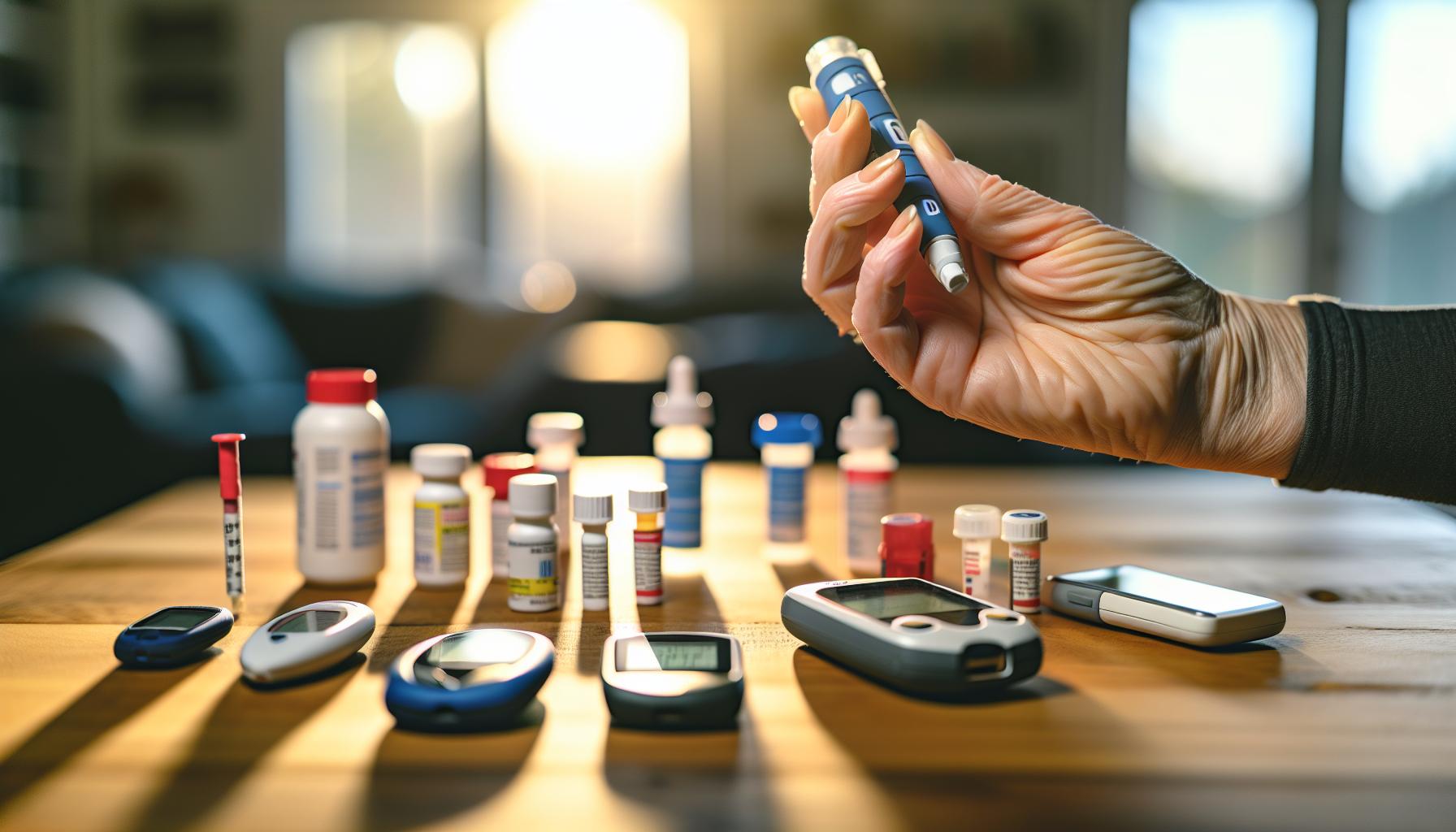
Essential Medications for Diabetes Management
Essential medications are the backbone of effective diabetes management, supporting individuals to maintain healthy blood sugar levels while minimizing complications. Whether you are newly diagnosed or have been managing diabetes for years, understanding the various types of medications available can empower you to make informed decisions alongside your healthcare team.
Among the most commonly used medications are insulin therapies, which are essential for people with Type 1 diabetes and often necessary for those with advanced Type 2 diabetes. Insulin comes in various formulations, including long-acting, short-acting, and pre-mixed options, each tailored to meet different needs. It’s critical to choose the right type based on your daily routine, dietary habits, and blood glucose monitoring results. It’s also important to monitor and adjust insulin doses based on activity levels and food intake.
In addition to insulin, oral medications such as metformin, sulfonylureas, and SGLT2 inhibitors offer alternatives for managing Type 2 diabetes. These medications can help lower blood sugar by improving insulin sensitivity, stimulating insulin secretion, or promoting glucose excretion through the kidneys. Working closely with your healthcare provider, you can explore which oral medications may complement your treatment plan effectively.
For those at risk of cardiovascular issues, medications like GLP-1 receptor agonists or DPP-4 inhibitors may also be prescribed. These not only help manage blood glucose levels but also contribute to weight loss and improve heart health. Educating yourself about how these medications work can give you greater control over your health and enhance communication with your healthcare team.
Remember, keeping your medications organized is just as essential as the medications themselves. Use a daily pill organizer, and consider creating a medication schedule that outlines when to take each medication. Be sure to regularly consult with your healthcare professional to adjust your prescriptions based on your ongoing needs and lifestyle changes. Engaging in these proactive measures can make a significant difference in your overall diabetes management journey.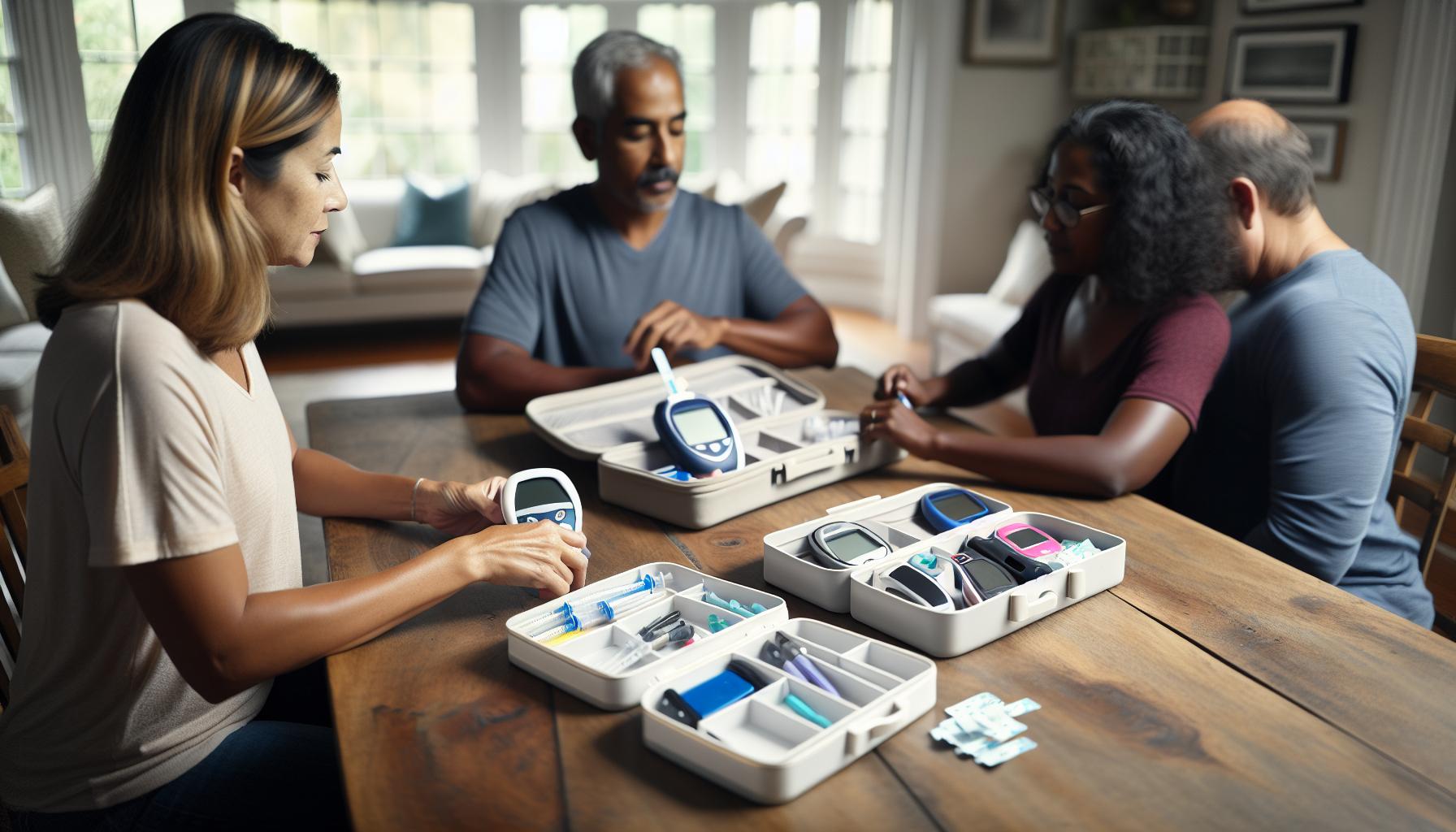
Organizing Your Diabetic Testing Gear Effectively
Maintaining an organized diabetic testing kit is crucial for effective diabetes management, as it not only saves time but also reduces stress when managing your daily routine. Imagine being in a situation where you need to check your blood sugar, only to find your meter buried under unused supplies or mismanaged resources. A well-organized testing gear not only enhances your efficiency but also helps you develop a consistent routine that can lead to better health outcomes.
To start, consider designating specific compartments or storage solutions within your supply case. You might want to categorize items based on their function, such as separating meters from test strips, lancets, and control solutions. Using small mesh bags or labeled containers can help keep everything in its place. This not only minimizes the risk of forgetting items when you leave home but also simplifies the process of checking and maintaining your supplies.
Essential Items to Include
Be sure to keep the following items readily accessible in your organized kit:
- Blood Glucose Meter: Ensure it’s fully functional and has batteries.
- Test Strips: Always check their expiration date.
- Lancets: Keep extra lancets available for hygiene.
- Control Solution: Verify that you have a working solution to check the accuracy of your meter.
- Notebook or Digital App: A place to log your blood sugar readings and dietary choices.
Furthermore, consider the practicality of keeping an extra set of supplies in your home and your workplace, especially if you lead a busy lifestyle. This redundancy ensures that you’re never caught unprepared.
Remember, while technology has made tracking blood glucose easier, the accuracy relies on consistent organization of your tests. Engaging in routine checks of your supplies, removing expired items, and restocking essentials regularly can further enhance your management strategy. Don’t hesitate to reach out to your healthcare provider for guidance on what specific supplies work best for your unique needs, as personalizing your approach to diabetes management can lead to sustained success and increased confidence in your daily routine.
Best Practices for Storing Insulin Safely
Storing insulin safely is a crucial aspect of diabetes management, as improper storage can compromise its effectiveness. For many individuals, insulin is not just a medication; it’s a lifeline that needs to work seamlessly alongside their daily routines. To maintain its efficacy, ensuring proper handling and storage conditions is paramount.
Insulin should always be stored at the recommended temperature, typically between 36°F to 46°F (2°C to 8°C) when unopened. Once opened, you can generally keep it at room temperature (under 86°F or 30°C) for up to 28 days-just ensure it’s kept away from direct sunlight and heat sources. Here are some best practices to follow when storing your insulin:
- Refrigerate Unused Insulin: Always keep unopened vials or pens in the refrigerator. Avoid freezing them, as this will damage the insulin.
- Transport with Care: If you need to travel, consider using an insulated case that maintains appropriate temperatures. Ice packs can be helpful, but ensure they don’t come into direct contact with the vials, which can freeze them.
- Organize in Your Supply Case: Designate a specific section in your diabetes supply case for insulin. Use a labeled pouch or container to avoid confusion and streamline access when you need it.
- Regular Checks: Periodically check the expiration dates and physical appearance of your insulin. If the solution appears cloudy, discolored, or has particles floating in it, consult your healthcare provider before using it.
Creating a designated space for your insulin not only protects its integrity but also ensures that you can access it quickly and efficiently. This organization is particularly beneficial during moments of urgency, allowing you to manage your diabetes without added stress. Always remember to consult with your healthcare provider for personalized recommendations and to stay informed about the latest storage guidelines. By prioritizing safe storage practices, you can take control of your diabetes management and safeguard your health effectively.
Choosing the Right Case for Supplies
Selecting the right case for your diabetes supplies can make a significant difference in your daily management of the condition. A well-designed case not only provides protection for your medications and testing equipment but also facilitates easy access and organization. With the variety of products available on the market, understanding what to look for can help you choose a case that meets your specific needs.
When considering a diabetes supply case, size and capacity are essential. Depending on your routine, you might require space for insulin, test strips, lancets, a glucometer, and any other necessary medications. Select a case that is large enough to accommodate all your supplies without being overly bulky. Customization options are also beneficial-look for cases with adjustable compartments or pockets to help separate your items effectively, minimizing the chances of losing smaller components.
Material and durability are critical factors as well. Choose a case made from sturdy, water-resistant materials to protect your supplies from spills or weather-related damage. Additionally, consider a case that is easy to clean, as maintaining hygiene is vital in managing diabetes. Styles that include straps or handles can enhance portability, ensuring that you can carry your supplies comfortably whether you’re at home or on the go.
Don’t forget about the design and aesthetics of the case. Many manufacturers now offer cases in various colors and styles, allowing you to choose one that reflects your personal taste. This can make carrying your supplies a more enjoyable experience rather than a cumbersome task.
Ultimately, the right case will empower you in your diabetes management by keeping your supplies organized, accessible, and protected. Engaging with healthcare providers for recommendations and exploring options online or at local pharmacies can further help you find the perfect match for your lifestyle.
Creating a Daily Medication Schedule
Creating a consistent daily medication schedule is essential for effective diabetes management. It not only helps regulate blood sugar levels but also instills a sense of routine and control over one’s health. Establishing this schedule might seem daunting at first, but with clear steps and organization, you can turn it into a manageable part of your daily life.
Start by creating a list of all medications, including their dosages and timings. This can be effectively organized in a simple table format:
| Medication | Dosage | Time of Day | Notes |
|---|---|---|---|
| Insulin | 10 units | 8 AM | Before breakfast |
| Metformin | 500 mg | 8 AM, 8 PM | With food |
| Glucometer test | N/A | Before meals | Adjust insulin based on results |
Once you have a clear outline, consider setting reminders on your smartphone or using a pillbox that clearly indicates when to take each medication. Visual aids can go a long way; some people find that color-coding medications or using stickers helps them track their schedule more effectively. Just remember, the aim is to simplify and reinforce the routine.
Additionally, it’s crucial to involve healthcare professionals in this process. Regularly review your medication schedule with your doctor or diabetes educator to ensure that it aligns with your health goals. They can also provide guidance on adjusting your medications based on changing lifestyle factors, such as diet or exercise, contributing to a more personalized approach to your diabetes care. This collaborative effort not only ensures you’re on the right path but also empowers you to take charge of your diabetes management journey.
Be patient with yourself as you adapt to this new routine. Over time, sticking to a daily medication schedule will become second nature, helping you better manage your diabetes and improve your overall health.
Travel Tips for Managing Diabetic Supplies
Traveling with diabetes requires careful planning to ensure your diabetic supplies are organized, accessible, and safe. Whether you’re embarking on a short getaway or an extended trip, adhering to specific practices can help you manage your condition effectively while enjoying your journey. Did you know that being unprepared can lead to stress and potential health issues? Staying ahead of potential challenges can turn travel into a positive experience rather than a worrisome one.
First and foremost, create a checklist of all necessary diabetic supplies before you leave. This includes your medications, testing gear, and any additional equipment you may need, such as insulin pens, glucose meters, or continuous glucose monitoring (CGM) devices. Having a well-organized checklist can reduce anxiety and ensure nothing essential is forgotten. Consider packing extra supplies, especially during long trips, to account for any delays or emergencies. Remember to keep these supplies in a secure, insulated bag to protect them from extreme temperatures, which could affect their efficacy.
When planning your travel itinerary, factor in your medication schedule and consider time zone changes. It might be beneficial to set reminders on your phone or use a travel pill organizer that shows times for medication administration. Additionally, keep your supplies in your carry-on or personal item when flying, as this allows you to access them easily and reduces the risk of loss or damage. Be sure to inform the airline about your condition and any diabetes equipment you are bringing, as they may have specific guidelines or accommodations that can enhance your comfort during the flight.
Lastly, don’t forget to consult with your healthcare provider before traveling. They can offer personalized advice and help you prepare for unique circumstances related to your destination, such as potential dietary changes or health risks. Keeping a list of local medical facilities and services at your destination can also be a prudent move, ensuring you have access to help if needed. Embracing these practical tips can empower you to take control of your diabetes management while exploring new places, allowing you to focus on creating lasting memories.
Utilizing Technology to Track Supplies
In today’s digital age, technology can be a game changer for those managing diabetes. Did you know that there are numerous tools available that can simplify tracking your diabetic supplies, ensuring you never run out of essential medications or gear again? By integrating tech solutions into your routine, you can streamline your diabetes management, making it easier to stay organized and focused on your health goals.
One popular option is using specialized mobile apps designed for diabetes management. These applications allow users to log medication dosages, monitor their glucose levels, and track the expiration dates of supplies. For instance, some apps send reminders when it’s time to refill prescriptions or when to check blood sugar levels. This level of organization can significantly reduce stress, ensuring that every important task is managed seamlessly. It’s also beneficial to look for apps that sync with continuous glucose monitors (CGMs), as they provide real-time data, which can further aid in monitoring your supply needs accurately.
Cloud storage solutions can also help in maintaining an organized supply list. By storing your inventory online, you can access your supply status from anywhere, making it ideal for travel or when at work. For example, consider creating a shared document that lists all of your diabetic supplies, including your medications, testing gear, and any extras like snacks for hypoglycemia. You could even set up a color-coded system to indicate which items need reordering soon.
Moreover, wearables with integrated software can help keep track of your medication schedule alongside your daily activities. Devices can now remind you to take your meds or to check your blood sugar readings. When your wearable device signals a reminder, it ensures that you remain proactive in your diabetes management.
In this way, technology serves not only as a tool for organization but as an essential partner in your diabetes journey. By harnessing these resources, you take empowerment into your own hands, allowing you to focus more on living your life and less on managing your supplies. Always remember, while these tools are beneficial, they should complement, not replace, the professional guidance of healthcare providers to ensure a well-rounded approach to your diabetes care.
Educating Caregivers on Diabetes Management
One of the most vital aspects of diabetes management is ensuring that caregivers are well-informed and prepared. Whether they are family members, friends, or professionals, their understanding of diabetes can have a profound effect on the care provided. Did you know that a well-educated caregiver can significantly improve a diabetic individual’s quality of life by ensuring proper use of medications and testing gear? This highlights the importance of nurturing a supportive environment around those living with diabetes.
To start, caregivers should be familiar with the specific medications and supplies a person with diabetes uses daily. This includes understanding the correct dosages, how to administer medications such as insulin, and the importance of regular blood sugar monitoring. They should familiarize themselves with the testing gear, knowing how to effectively use a glucose meter, as well as being adept at interpreting readings. This knowledge can empower caregivers to manage situations proactively, assisting individuals when their blood sugar levels fluctuate.
Additionally, open communication is key. Caregivers should encourage those they support to express any concerns regarding their diabetes management. Regular discussions about dietary choices, exercise routines, and emotional well-being can be conducive to creating tailored plans that cater to specific needs. Providing education on recognizing symptoms of both high and low blood sugar will enable caregivers to respond quickly in urgent situations.
In terms of practical advice, creating an organized supply case is essential. Caregivers can help set up a system that clearly labels the various supplies, ensuring everything is easily accessible. For instance, establishing a section for essential medications, one for testing equipment, and another for snacks for managing hypoglycemia can streamline daily routines. Furthermore, they can assist in scheduling regular check-ins with healthcare professionals to reassess the management plan, ensuring it remains effective and relevant.
By being proactive in their education and involvement, caregivers can create a supportive framework that not only aids in medical compliance but also fosters a positive atmosphere for managing diabetes. The more knowledge they possess, the better equipped they are to help navigate the complexities of diabetes, allowing those they support to live healthier, more satisfying lives.
Cost-Saving Tips for Diabetes Supplies
Managing diabetes can come with a hefty price tag, but there are plenty of ways to navigate costs while ensuring that proper care is maintained. One of the most effective strategies is being proactive about budgeting for diabetic supplies and utilizing available resources and programs. With a bit of planning, you can reduce expenses without sacrificing the quality of management essential for maintaining health.
Explore Financial Assistance Programs
Many pharmaceutical companies offer patient assistance programs for insulin and other essential diabetes medications. Individuals with financial needs can explore programs from companies like Novo Nordisk or Eli Lilly, which may cover a portion of their out-of-pocket expenses. In addition, nonprofits such as the Patient Advocate Foundation provide resources to help patients access medications and supplies at reduced costs.
Utilize Generic Brands
Consider opting for generic medications and testing supplies when possible. Generic versions of insulin and diabetic testing supplies-often just as effective as their branded counterparts-can significantly lower your expenses. Speak with your healthcare provider to discuss affordable options that are safe and suitable for your specific needs.
Buy in Bulk and Compare Prices
Purchasing supplies in bulk can lead to significant savings. Keep an eye on sales and compare prices across pharmacies, both online and local. Websites like Walmart, Advanced Diabetes Supply, and US MED regularly offer competitive pricing on diabetic supplies; you can take advantage of online shopping to find the best rates.
Utilize Insurance Benefits
Always check your health insurance plan to understand what diabetic supplies are covered and the associated costs. Many plans cover continuous glucose monitors and insulin pumps, which can help manage diabetes more effectively and potentially reduce long-term costs through improved health outcomes. Contact your insurance provider for specific information regarding covered items to avoid unexpected costs.
By implementing these strategies, diabetic individuals and their families can mitigate high costs while ensuring they have access to necessary supplies for effective management. Remember, consulting with healthcare professionals regarding medications and management plans allows you to remain informed and empowered in making cost-effective decisions for your care.
How to Replenish Your Supply Case Regularly
To maintain effective diabetes management, the importance of keeping your supply case well-stocked cannot be overstated. Regularly replenishing your diabetic supplies ensures you are always prepared to address your health needs without unnecessary stress. A proactive approach not only minimizes the risk of running low on essential items but also promotes a sense of control over your diabetes management.
Develop a Replenishment Schedule
One effective way to ensure your supplies are always stocked is to create a replenishment schedule. Review your inventory at least once a month and identify which items are running low. This may include insulin, testing strips, lancets, or any other essential supplies. By making this a regular task, you’re less likely to face shortages and can take advantage of sales or special promotions when they arise. Consider setting reminders on your phone or using a calendar to help track when to order more supplies.
Utilize Inventory Tracking Apps
In today’s digital age, technology can be a powerful ally in managing your diabetes supplies. Several inventory tracking apps allow you to document what you have and what needs replenishing. These apps can send you alerts when stock is low and even help you order supplies directly from your pharmacy. By incorporating technology into your routine, you can streamline your supply management and focus on your health.
Stay Educated About Expiration Dates
Understanding the shelf life of your supplies is crucial. Medications and diabetic testing gear can have expiration dates that you shouldn’t overlook. Regularly check the expiration dates on your insulin vials, testing strips, and other supplies. Discard any expired items responsibly, and plan their replacements sooner rather than later to avoid any lapse in your diabetes management.
Establish a Backup Plan
Sometimes, life can be unpredictable, and it’s vital to have a backup plan in case you are faced with an unexpected shortage. Consider maintaining a small reserve of essential items specifically for emergencies. This could mean keeping an extra vial of insulin or a few additional packs of test strips separate from your regular supply case. Having this safety net not only adds peace of mind but ensures you’re prepared for situations where you might face delays in getting your regular supplies.
By integrating these strategies into your routine, you can effectively manage your diabetic supply case and be empowered to take charge of your health. Always remember that consulting healthcare professionals regarding your supplies, management plans, and any adjustments needed is an essential part of your diabetes care journey.
Consulting Healthcare Professionals for Customization
Engaging with healthcare professionals is a vital component of effective diabetes management, particularly when it comes to customizing your diabetic supply case. Each individual’s needs vary significantly based on factors such as age, lifestyle, and the type of diabetes they manage. By involving a healthcare provider, you can tailor your supplies-medications, testing gear, and other essential tools-to best fit your personal health journey.
One of the most beneficial discussions you can have is about your current supply inventory. Your healthcare professional can provide insight into determining which items are truly essential and which may be redundant or unnecessary. They may suggest alternatives or new products that can enhance your management routine. For instance, if you’re struggling with your blood glucose levels, they might recommend specific types of testing strips or alternative insulin delivery systems that could improve your results. Customization of your supplies means selecting only what works best for you, thus reducing waste and costs.
Additionally, it’s essential to communicate any barriers you encounter in managing your diabetes. This could range from difficulties in accessing certain supplies to challenges with insurance coverage, which can affect your ability to manage your condition effectively. A healthcare professional can assist you in navigating these issues, potentially providing letters of medical necessity for certain products or helping you find resources that offer financial assistance for diabetes supplies.
Moreover, regular consultations enable continuous adjustment of your treatment plan as your condition evolves. For instance, lifestyle changes, advances in technology, or new diabetes management strategies may necessitate a reassessment of your supply needs. This collaborative approach not only empowers you in your diabetes care journey but also fosters a proactive mindset that is crucial for maintaining optimal health.
In summary, never underestimate the power of collaboration with your healthcare team. By engaging in open and regular dialogues, you can customize your diabetic supply case to ensure it reflects your unique needs and circumstances. This not only supports your daily management efforts but also enhances your overall well-being, journeying towards a more controlled and empowered life with diabetes.
Q&A
Q: What should be included in a diabetic supply case?
A: A diabetic supply case should include essential medications, blood glucose monitor, test strips, lancets, insulin, syringes or pens, snacks for low blood sugar, and a logbook for tracking levels. Organizing these items ensures quick access during emergencies. Refer to the section on “Understanding Your Diabetic Supply Needs” for more details.
Q: How can I keep my diabetic supplies organized?
A: Keeping diabetic supplies organized involves using compartments in your supply case and labeling items clearly. Arrange items by frequency of use and ensure everything is within easy reach, especially during stressful situations. Check the section on “Organizing Your Diabetic Testing Gear Effectively” for more tips.
Q: Why is it important to have a portable insulin case?
A: A portable insulin case is crucial for maintaining insulin efficacy when on the go. It protects insulin from extreme temperatures and ensures you have quick access to your medication. For guidance on selecting the right case, see the “Choosing the Right Case for Supplies” section in the article.
Q: How often should I check my diabetic supplies?
A: You should check your diabetic supplies monthly to ensure everything is within its expiration date, including medications and test strips. Regular checks help avoid last-minute emergencies. For more on managing supplies, refer to the “How to Replenish Your Supply Case Regularly” section.
Q: What technology can help manage diabetes supplies?
A: Technology such as mobile apps can track blood sugar levels, medication schedules, and inventory of diabetic supplies. Some apps can even send reminders to reorder supplies when they’re low. Consider exploring the “Utilizing Technology to Track Supplies” section for specific recommendations.
Q: What are some common mistakes to avoid with diabetic supplies?
A: Common mistakes include not checking expiration dates, storing insulin improperly, and failing to replenish supplies after use. Regular education and reminders can prevent these errors. Look at “Best Practices for Storing Insulin Safely” for more insights.
Q: How should I travel with diabetic supplies?
A: When traveling with diabetic supplies, always pack extra medications, keep them in their original containers, and have a letter from your doctor. It’s important to have access to supplies while on the go. For detailed travel tips, see the “Travel Tips for Managing Diabetic Supplies” section.
Q: What are the best practices for disposing of expired diabetic supplies?
A: Proper disposal involves following local regulations for hazardous waste, especially for syringes and needles. Use a sharps container for safe disposal. Consult your health care provider for specific guidance, and refer to your article for safe disposal practices.
Closing Remarks
Taking control of your diabetes management doesn’t have to be overwhelming. With our “Diabetic Supply Case,” you’ll find it easier to organize your medications and testing gear, ensuring you always have what you need at your fingertips. Don’t wait-invest in your health today for a more organized, confident tomorrow.
If you’re looking for more resources on managing diabetes effectively, check out our guides on healthy eating and the importance of regular check-ups with healthcare professionals. And don’t forget to explore our tips on how to care for pets with diabetes, providing them with the same loving attention you give to your own health.
We invite you to share your thoughts or questions in the comments, and feel free to subscribe to our newsletter for ongoing support and updates. Together, we can navigate the path of diabetes management with empowerment and knowledge, ensuring that you’re always one step ahead in achieving your health goals!
Get our latest guides, news, and insights highlighted in your Google Search & AI Overviews.